WorldWide
We are bringing you the latest news from our community and the fresh topics on entrepreneurship, start-ups, scale-ups, creative industries, technology, science, innovation and industry developments. Enjoy your reading!
Startup Ohrid
LATEST BLOGS


As AI automates routine tasks and accelerates knowledge work, the skills that remain irreplaceably human are not becoming less valuable—they’re becoming foundational.
According to a Workday global survey, 83% of employees believe that AI will make uniquely human skills more critical, not less. Research from the World Economic Forum echoes this sentiment, noting that empathy, judgment, creativity, and adaptability will increasingly define career success in the age of AI. These aren’t “soft” skills anymore—they’re core differentiators.
Here are five human-centric skills that will matter more than AI in 2026, along with evidence, trends, and how we can actually teach them.
- Ethical Judgment and Moral Reasoning in the Age of AI
Decisions about how technology is used in classrooms, where to draw the line on workplace monitoring, or how to weigh the risks and benefits of medical tools can’t be handed off to machines. These are human decisions. Technology can follow rules, but it can’t decide which rules matter—or when to make exceptions.
A CMSWire report on digital experience design found that leaders who pair technological fluency with strong moral reasoning are in high demand. Organizations are looking for people who can spot unintended consequences early, weigh competing interests, and make sound decisions in the gray areas where algorithms fall short.
Sharpen it: Go beyond abstract theory. Host Socratic discussions where participants examine real ethical dilemmas from multiple perspectives. Read works that challenge assumptions.
- Empathy and Emotional Intelligence Matter in an AI World
Customer service bots may handle basic requests, but when someone’s frustrated, grieving, or making nuanced decisions, they want to connect with a human.
Leaders, teachers, healthcare workers, and entrepreneurs rely on emotional intelligence to build trust, resolve conflict, motivate teams, and co-create solutions.
An HRE Executive survey found that emotional intelligence, empathy, and human connection are ranked among the top skills HR leaders consider “mission critical” in an AI workplace. LinkedIn’s 2024 Workplace Learning Report showed that companies that train for empathy and active listening see higher retention and customer satisfaction.
Sharpen it: Practice active listening, ask open-ended questions, and seek feedback. Role-plays and coaching are practical ways to strengthen emotional acuity.
- Creativity and Vision: The Human Edge Over AI
Generative AI is great at remixing existing patterns, but it lacks true imagination.
Human creativity—especially cross-disciplinary and visionary thinking—remains a competitive edge. Breakthroughs come from humans who see what’s not yet there.
A World Economic Forum report listed “creativity, originality, and initiative” among the top three rising skills across industries. McKinsey found that creative roles are among the least likely to be automated by 2030.
Sharpen it: Expose yourself to diverse inputs—art, philosophy, history. Brainstorm without constraints. Use AI as a collaborator, not a crutch.
- Critical Thinking and Contextual Judgment in an AI Driven Era
AI can produce fluent answers, but not always reliable ones. AI lacks situational awareness and the ability to understand subtext.
Critical thinking remains a human safeguard. It means questioning data sources, interrogating assumptions, and detecting bias. As digital information floods every sector, contextual judgment is non-negotiable.
Sharpen it: Practice red teaming, devil’s advocacy, and structured reasoning—study cognitive biases. Treat AI’s outputs as first drafts, not final decisions.
- Adaptive Learning and Human Resilience in an AI Future
AI can retrain on new data, but it doesn’t pivot like humans. It doesn’t question its purpose, switch careers mid-life, or invent new industries out of chaos.
Humans do. In volatile markets, the ability to learn fast, unlearn old habits, and adapt is priceless.
The World Economic Forum’s 2025 Human-Centric AI brief emphasized adaptability as a defining human advantage. Workers who learn how to learn—and apply it across domains—will remain indispensable.
Sharpen it: Embrace meta-learning, feedback loops, and novel environments. Growth through discomfort is a human superpower.
How Schools Can Teach These Human Skills Alongside AI
If these are the skills that will define the human advantage, then schools can’t afford to treat them as extracurricular. They need to be built into the core curriculum, not sprinkled in as “enrichment.”
- Ethical Judgment: Integrate real-world case studies into civics, science, and tech classes—asking students to debate AI ethics, data privacy, and emerging dilemmas. Ethics shouldn’t be confined to philosophy electives.
- Empathy: Role-play exercises, peer mediation programs, and student-led interviews can build listening skills and emotional intelligence. These work exceptionally well in advisory periods or leadership programs.
- Creativity: Interdisciplinary projects—such as pairing art and STEM (STEAM)—encourage students to connect the dots across subjects. Allowing space for experimentation and failure is key.
- Critical Thinking: Media literacy and debate should be as essential as algebra. Students should learn to evaluate AI outputs, check sources, and identify logical fallacies early. They should be hosting debates and practicing active listening skills.
- Adaptability: Entrepreneurial projects, hackathons, and student-led ventures give teens real opportunities to adapt in real time—navigating ambiguity, iteration, and public feedback.
For decades, the education system has been built around content coverage and teaching to the test. That model doesn’t work alongside the rapid growth of AI or the need for more human-centric skills in the workplace.
Schools can start by rethinking how they assess learning and start valuing the process of problem-solving, not just the final answer. Real-world projects, interdisciplinary classes, and partnerships with local organizations that help solve real problems give students a chance to use judgment, empathy, and creativity in meaningful ways. Teacher training matters too. Educators need time and support to practice these skills themselves so they can model them for their students. Schools that make this shift will graduate students who know how to think, adapt, and lead in a world where technology is ever-present but not all-powerful.
The Real Competitive Edge in an AI-Powered World
The rise of AI doesn’t diminish human value; it clarifies it. Routine tasks will continue to be automated. But this means judgment, empathy, creativity, critical reasoning, and adaptability will only grow in importance. These uniquely human skills will shape innovation, leadership, education, and meaningful progress in the future.
The future belongs to those who combine technical fluency with human depth. That’s not about resisting AI. It’s about doubling down on what makes us human.
This article was written by Sarah Herhnholm** and originally appeared on Forbes.**
Source: Forbes.
**Photo credits: Image No 1: Getty Images*
Categories:
10 Things Experienced Digital Nomads Wish They Knew Before Setting Off

5 Human Skills AI Can’t Replace — And How Schools Can Teach Them
As AI automates routine tasks and accelerates knowledge work, the skills that remain irreplaceably human are not becoming less valuable—they’re becoming foundational.
According to a Workday global survey, 83% of employees believe that AI will make uniquely human skills more critical, not less. Research from the World Economic Forum echoes this sentiment, noting that empathy, judgment, creativity, and adaptability will increasingly define career success in the age of AI. These aren’t “soft” skills anymore—they’re core differentiators.
Here are five human-centric skills that will matter more than AI in 2026, along with evidence, trends, and how we can actually teach them.
- Ethical Judgment and Moral Reasoning in the Age of AI
Decisions about how technology is used in classrooms, where to draw the line on workplace monitoring, or how to weigh the risks and benefits of medical tools can’t be handed off to machines. These are human decisions. Technology can follow rules, but it can’t decide which rules matter—or when to make exceptions.
A CMSWire report on digital experience design found that leaders who pair technological fluency with strong moral reasoning are in high demand. Organizations are looking for people who can spot unintended consequences early, weigh competing interests, and make sound decisions in the gray areas where algorithms fall short.
Sharpen it: Go beyond abstract theory. Host Socratic discussions where participants examine real ethical dilemmas from multiple perspectives. Read works that challenge assumptions.
- Empathy and Emotional Intelligence Matter in an AI World
Customer service bots may handle basic requests, but when someone’s frustrated, grieving, or making nuanced decisions, they want to connect with a human.
Leaders, teachers, healthcare workers, and entrepreneurs rely on emotional intelligence to build trust, resolve conflict, motivate teams, and co-create solutions.
An HRE Executive survey found that emotional intelligence, empathy, and human connection are ranked among the top skills HR leaders consider “mission critical” in an AI workplace. LinkedIn’s 2024 Workplace Learning Report showed that companies that train for empathy and active listening see higher retention and customer satisfaction.
Sharpen it: Practice active listening, ask open-ended questions, and seek feedback. Role-plays and coaching are practical ways to strengthen emotional acuity.
- Creativity and Vision: The Human Edge Over AI
Generative AI is great at remixing existing patterns, but it lacks true imagination.
Human creativity—especially cross-disciplinary and visionary thinking—remains a competitive edge. Breakthroughs come from humans who see what’s not yet there.
A World Economic Forum report listed “creativity, originality, and initiative” among the top three rising skills across industries. McKinsey found that creative roles are among the least likely to be automated by 2030.
Sharpen it: Expose yourself to diverse inputs—art, philosophy, history. Brainstorm without constraints. Use AI as a collaborator, not a crutch.
- Critical Thinking and Contextual Judgment in an AI Driven Era
AI can produce fluent answers, but not always reliable ones. AI lacks situational awareness and the ability to understand subtext.
Critical thinking remains a human safeguard. It means questioning data sources, interrogating assumptions, and detecting bias. As digital information floods every sector, contextual judgment is non-negotiable.
Sharpen it: Practice red teaming, devil’s advocacy, and structured reasoning—study cognitive biases. Treat AI’s outputs as first drafts, not final decisions.
- Adaptive Learning and Human Resilience in an AI Future
AI can retrain on new data, but it doesn’t pivot like humans. It doesn’t question its purpose, switch careers mid-life, or invent new industries out of chaos.
Humans do. In volatile markets, the ability to learn fast, unlearn old habits, and adapt is priceless.
The World Economic Forum’s 2025 Human-Centric AI brief emphasized adaptability as a defining human advantage. Workers who learn how to learn—and apply it across domains—will remain indispensable.
Sharpen it: Embrace meta-learning, feedback loops, and novel environments. Growth through discomfort is a human superpower.
How Schools Can Teach These Human Skills Alongside AI
If these are the skills that will define the human advantage, then schools can’t afford to treat them as extracurricular. They need to be built into the core curriculum, not sprinkled in as “enrichment.”
- Ethical Judgment: Integrate real-world case studies into civics, science, and tech classes—asking students to debate AI ethics, data privacy, and emerging dilemmas. Ethics shouldn’t be confined to philosophy electives.
- Empathy: Role-play exercises, peer mediation programs, and student-led interviews can build listening skills and emotional intelligence. These work exceptionally well in advisory periods or leadership programs.
- Creativity: Interdisciplinary projects—such as pairing art and STEM (STEAM)—encourage students to connect the dots across subjects. Allowing space for experimentation and failure is key.
- Critical Thinking: Media literacy and debate should be as essential as algebra. Students should learn to evaluate AI outputs, check sources, and identify logical fallacies early. They should be hosting debates and practicing active listening skills.
- Adaptability: Entrepreneurial projects, hackathons, and student-led ventures give teens real opportunities to adapt in real time—navigating ambiguity, iteration, and public feedback.
For decades, the education system has been built around content coverage and teaching to the test. That model doesn’t work alongside the rapid growth of AI or the need for more human-centric skills in the workplace.
Schools can start by rethinking how they assess learning and start valuing the process of problem-solving, not just the final answer. Real-world projects, interdisciplinary classes, and partnerships with local organizations that help solve real problems give students a chance to use judgment, empathy, and creativity in meaningful ways. Teacher training matters too. Educators need time and support to practice these skills themselves so they can model them for their students. Schools that make this shift will graduate students who know how to think, adapt, and lead in a world where technology is ever-present but not all-powerful.
The Real Competitive Edge in an AI-Powered World
The rise of AI doesn’t diminish human value; it clarifies it. Routine tasks will continue to be automated. But this means judgment, empathy, creativity, critical reasoning, and adaptability will only grow in importance. These uniquely human skills will shape innovation, leadership, education, and meaningful progress in the future.
The future belongs to those who combine technical fluency with human depth. That’s not about resisting AI. It’s about doubling down on what makes us human.
This article was written by Sarah Herhnholm** and originally appeared on Forbes.**
Source: Forbes.
**Photo credits: Image No 1: Getty Images*

73 Small Business Ideas to Start in 2026
Manual Labor Business Ideas
6. General Construction
Experience, training or licensing may be needed
If you have experience working in construction, you may be ready to start your own handyman business and take on projects of your own. From building a fence to hanging drywall or framing an addition, many people need skilled laborers who can do quality work on time.
If you have a network of skilled people whose work you trust, you could also subcontract some of the construction and spend more time finding clients and growing your business. Check with your state to determine what permits and licenses you need to get started.

7. Landscaping
Experience, training or licensing may be needed
Put your green thumb to work. Most people want their yards tidied up in the spring, their lawns mowed in the summer, their leaves removed in the fall, their shrubs trimmed and their trees cared for. Your landscaping business could also offer irrigation services, including the installation and repair of sprinkler lines, as well as blowing them out before winter.
Garden work, such as planting annuals and perennials and vegetable garden preparation, can also be a lucrative business. There is plenty to do in the yard that has nothing to do with plants: stone wall restoration, fencing, artificial turf installation and more.
Read This: Start Your Own Lawn Care or Landscaping Business by The Staff of Entrepreneur Media and Cheryl Kimball | Amazon | eBooks.com | Barnes & Noble
8. House Painting
Experience, training or licensing may be needed
Regardless of the season, you can make good money with a residential painting business — inside and out. Before you begin offering services, you’ll want to work with professional painters and learn the basics:
- Masking a house
- Laying a drop cloth
- Choosing the appropriate paints and brushes for various indoor and outdoor climates
You’ll also need to invest in some basic equipment — ladders, brushes, trays and more. Once you’re set up, you can begin marketing your services to customers through a variety of online platforms with relatively low upfront costs.
9. Carpentry
Experience, training or licensing may be needed
Woodworking is in high demand these days, and if you’re a talented carpenter, there are a variety of ways you can make money. Residential projects like cabinets, tables and shelves are often high on homeowners’ lists and typically pay well. You can also make good money with boutique projects like gallery frames, hand-carved figurines and other work. In some cases, you can work for general contractors to frame doorways and support larger construction projects.
10. Electrical Work
Experience, training or licensing may be needed
Becoming an electrician is not easy — you must take classes, work as an apprentice and pass licensing exams before you can start your own business — but there’s no shortage of work for electricians. Master electricians are always in demand for small and large projects, and you’ll have the ability to hire apprentices, build a team and scale your business offerings.
11. Moving Services
Has expansion possibilities
When people move, they often want to hire someone to do the heavy lifting for them — literally. You can focus your work on local moves across town or to the town next door. As your business ramps up, you may also offer large-scale, long-distance moving services if you have the personnel and equipment to accommodate it. Advertise around town to convince the locals to let you take care of their move, provide excellent customer service and watch your business grow.
Read This: Start Your Own Freelance Writing Business and More by Entrepreneur Press and George Sheldon | Amazon | eBooks.com | Barnes & Noble
Creative Work Business Ideas

12. Content and Editorial Contracting
Has expansion possibilities
Almost every business or organization needs good writers and editors, and if you have the skills to go out on your own, you’ll likely find a bevy of work. From copyediting to developmental editing, ghostwriting and digital content production, freelance writers and editors can find clients in a host of industries, including marketing, communications, journalism and book publishing. To get started, you’ll need to create a portfolio of work that exemplifies your skills for writing, content creation and/or editing–this will help you build relationships with potential clients.
13. Graphic Design
Experience, training or licensing may be needed
Have an eye for design? Logos, fliers, newsletters, information sheets and advertisements are just a few of the types of design materials that businesses hire independent designers to create for them. Websites and online advertising need graphic design services as well. You can offer clients a suite of services to take their project from beginning to end, including coordinating with content creators and print shops and getting products ready to mail and present.
Read This: Start Your Own Graphic Design Business by Entrepreneur Press and George Sheldon | Amazon | eBooks.com | Barnes & Noble
14. Web Development
Experience, training or licensing may be needed
Many in-person and online courses exist to teach you the language of coding and website creation. With some specialized training, you can master the basics of building a website from scratch — a service you can offer to many small businesses, whether they’re looking for an ecommerce platform or just a landing page to describe their services. You may also find clients who will hire you to not only design their website but manage their online presence on a day-to-day basis.
15. Marketing or Public Relations Agency
Has expansion possibilities
Every business has a story to tell, but not everyone has the know-how to get their message into the world. With your marketing or public relations agency, you can help businesses identify new audiences, craft messages that resonate with new customers and produce newsletters and other products — potentially winning the media’s interest along the way. You’ll want experience working in this field before you set out on your own, as potential clients will want to hire someone who understands the world of marketing and public relations.
Read This: Start Your Own Consulting Business by Entrepreneur Press and Eileen F. Sandlin | Amazon | eBooks.com | Barnes & Noble
16. Photography
Experience, training or licensing may be needed
Independent photographers can run successful businesses with one or more specialties. You can offer:
- Portraits or senior pictures
- Wedding photography
- Editorial shots for newspapers or magazines
To get your photography business off the ground, you’ll want to create an online portfolio of your work so potential clients can see your style and inquire with you. Being active on social media platforms is also a great strategy for growing your brand.
Read This: Start Your Own Photography Business by Entrepreneur Press and Charlene Davis | Amazon | eBooks.com | Barnes & Noble
17. Videography
Experience, training or licensing may be needed
If you can do quality work behind a camera and edit footage well, there are plenty of opportunities for videography work, from creating brand videos for organizations to filming events, weddings and interviews. Your clients could include outdoor brands, small nonprofits and big corporations, but you’ll want to have some filming and editing training and experience creating quality content before you launch your business.
18. Audio Editing
Experience, training or licensing may be needed
Audio storytelling is a growing industry, with countless podcasts being streamed daily by listeners all over the world. If you have experience recording and editing audio, you could shop your services to media brands, businesses or individuals who might want to launch their own podcasts. And who knows? Maybe you can use your skills to launch and monetize a podcast of your own.
19. Social Media Management
Some experience needed
Although many businesses want to enhance their social media presence, they often don’t have the skills or internal bandwidth to grow their following and post engaging content.
If you’re skilled at brainstorming content plans and writing snappy copy — and you already spend many hours on social media — it might be worth launching your own social media marketing enterprise. Clients might have you create a content marketing plan, monitor and reply to comments and report growth statistics monthly.
20. Art
Has expansion possibilities
If making art is already your hobby, you might be able to turn it into a profitable business. You can sell your work on sites like Etsy, enter your work in shows or ink contracts with clients who need illustrators or custom art as part of their brand assets. Other potential art business offerings include creating portraits, painting murals and teaching art classes.
21. Music Lessons
Experience, training or licensing may be needed
Turn down the volume and listen up: Your music skills could be in high demand. There are a few ways to approach running your own music business. You can be mobile and teach in your clients’ homes or run it out of your own space (a separate building or designated area of your home).
Some people teach music lessons online by recording lessons on YouTube and offering subscriptions. To get started, try connecting with local music schools for part-time gigs. This will allow you to see if you like it and help you build a reputation with potential clients.
Related: 10 Essential Tips For a Long and Lucrative Music Career
22. Start a YouTube Channel
No experience required
You can monetize your YouTube channel in several ways. But before you make money, you need to make engaging, high-quality content — and do it on a consistent basis. (Get the best audience-building practices here.) Ad revenue is the most common way to monetize your viewership, but there are several ways to diversify income streams, including selling merch and creating sponsored content.
Your earning potential will vary based on subscriber count and video views, demographics and ad engagement. On average, creators earn about $1 to $5 per 1,000 views after YouTube takes its 45% cut. Most YouTubers will top out with a nice side hustle level of earnings, while superstars like MrBeast generate hundreds of millions.
Related: YouTube’s New Business-Building Tool
23. Create an Online Course
Some experience required
If you have expertise in a particular field, creating and selling online courses allows you to share that knowledge and create a powerful passive income stream. Platforms like Udemy, Coursera and Teachable make it very easy to host and sell courses. Here are the common steps to launching a successful online course:
- Test your idea: Use your email list, social media and surveys to find out if you have a course that people will pay to take.
- Increase your authority: Ahead of the launch of your course, use social media to share quality content to bolster your positioning as an expert.
- Create the course: Use this guide to help you create a compelling and professional course.
- Promote your course: Let your social media followers know about it and consider hosting a free webinar that gives an overview of the topic and promote your paid course for those who want to learn more.
24. Write an E-book
Expertise required
Follow the steps described above for creating an online course, with the end product being a high-quality, instructive manuscript. Once you have written your book (get started with this excellent guide), it is a good idea to pay freelancers to proofread your manuscript and design your cover. There are many easy-to-use self-publishing platforms like Amazon KDP that allow you to format your e-book for different devices, set a price and market your book. Promotion is vital to breaking out of the pack — social media posts, podcast appearances, webinars, public speaking and newsletters are all powerful ways to find readership.
25. TikTok Creator
No experience required
The amount of money you can make on TikTok varies greatly depending on factors such as the size and engagement level of your following and your content niche. However, by posting consistently and mastering TikTok’s algorithm, creators can quickly build an audience and earn extra money through sponsored content, using the platform to sell branded merch (based on recurring themes or quotes from your videos) and affiliate marketing.
Related: How to Make Money in the Influencer Economy
26. Creating UGC for brands
No experience required
If you’re creative and have a good understanding of what helps content go viral, you could look into creating user-generated content, or UGC, for brands. This side hustler, for instance, dropped out of college to pursue a career in UGC, and at one point, earned six figures on top of her full-time corporate role.
Brands are hungry for user-generated content, which helps them build trust, establish credibility and connect with their audiences. All you need to get started is a smartphone — start posting about products you like on social media, and before you know it, you might be in a position to charge for your work.
27. Investing in domains
No experience required
Getting into domain investing is an easy side business that you can run on your own — no employees required. The premise behind domain investing is simple: You buy domains you think someone might want someday, then you hold onto them and sell them down the line for a handsome profit.
Startup costs are relatively minimal, though this entrepreneur, who makes six figures a year for about one to two hours of work a day, recommends taking a course like Domain Academy before getting started. “I could have skipped months of trial and error, saved a few gray hairs and gotten in the game faster with a deeper understanding of domains and the industry as a whole,” he told Entrepreneur.
28. Podcasting
No experience required
If the characters on Only Murders in the Building can do it, why can’t you? Provided you choose the right subject, a podcast can turn into a lucrative small business. The podcasting space is oversaturated, so you’ll need a topic that people are interested in — and one that offers a unique value proposition. That, plus a few pieces of equipment, all of which can be purchased relatively inexpensively, is all you really need to get started.
Once you have a solid audience, you can start seeking out partners to advertise with your podcast. If you get big enough, you might even catch the eye of a larger podcast company, which can help manage the business side for you.
Repair and Maintenance Business Ideas
29. Mechanic Shop
Experience, training or licensing may be needed
If you’ve spent years working on your vehicles and know your way around an engine, it could be time to offer your services to customers. Depending on where you live, you may not need to obtain a mechanics license, but taking some formal classes and earning a certification will help build trust with customers.
Many shops require licensing before hiring mechanics, so if you’re looking to get some experience before launching your own business, you’ll likely want to take some classes.
30. Appliance Repair
Experience, training or licensing may be needed
Every household has several appliances — from refrigerators to dishwashers to dryers — and appliances tend to break down, so appliance repair is one of the best business ideas for any area. You can work on your own or contract with appliance stores to cover their warranty service calls — or some of each.
Start slow and build your customer base on recommendations and referrals from work well done. You could also develop relationships with contractors to be the go-to person to install appliances in newly constructed houses.
31. Bicycle Repair
Some experience needed
Almost every bike needs a good tune-up. This business tends to be seasonal in many parts of the country, but you can find ways around that. If you have the space, you could offer to store people’s bicycles during the winter after you do a tune-up and any needed repairs on them.
And if you keep Saturday shop hours, you could make your shop a meeting place for cycling enthusiasts. If you live in a bike-oriented place, you may be able to purchase and sell used bikes, making some money as a retailer on top of your repair business.
32. Boat Cleaning
Experience, training or licensing may be needed
Boats hauled out of the water for the winter or even just for mid-season repairs will need their hulls cleaned. Depending on the type of boat, it might also be time for a major cleaning of everything else—the decks, the sleeping quarters, the head and the holds.
Start by advertising on Nextdoor, Craigslist or Facebook Marketplace, reaching out to homes with boats sitting in their yard, or marketing your services to a local marina.
33. Car Cleaning & Detailing
Has expansion possibilities
Making a car shine inside and out isn’t easy work, which is why many people don’t want to do it themselves. Plus, because drive-thru car washes don’t clean every corner, there’s a market for car cleaning and detailing across the country. With a little investment in materials (soaps, scrubs, hoses, vacuums, etc.), you could make house calls or rent a garage space where customers can drop off their vehicles.
34. Electronics Repair
Experience, training or licensing may be needed
Whether it’s a laptop, a television, a tablet or a specialized radio, if you’re handy with circuit boards, you could run a profitable business for customers whose electronics are on the fritz. You’ll want to run the business out of your home or a storefront so people can bring equipment directly to you. Not unlike other repair shops, your business may evolve to the point where you’re buying used electronics and selling them to your customers.
35. Furniture Restoration
Experience, training or licensing may be needed
If you have a knack for sewing and woodwork, upholstery and restoration might be a natural business idea. Many books and online videos can be helpful as you learn the trade, but nothing will be as helpful as finding some discarded furniture and tearing it apart before restuffing and constructing it.
Often, furniture in need of upholstering will also require repairs—sanding, staining, or reinforcing damaged areas. Much of this work is relatively minor (you don’t have to be a carpenter) and can add significant upsell value to your services.
Read This: Spruce: A Step-by-Step Guide to Upholstery and Design by Amanda Brown |Amazon | eBooks.com | Barnes & Noble
36. Rug Cleaning
Experience, training or licensing may be needed
Most people don’t have the time or space to do more for their rugs than a basic vacuum. As a rug cleaner, you will need to learn how to work with all kinds of carpet fabrics, from synthetic to wool. You should also decide whether you will take on valuable antique rugs and family heirlooms. If you do, you should consider getting specialized training in handling and properly cleaning these carpets.
Learn how to get tough stains and odors out of carpets — such as dog and cat odors — and customers will seek your services out. You’ll need a dedicated space for people to drop off their rugs, so plan for that as you set up your business.
37. Jewelry Making and Repair
Experience, training or licensing may be needed
There are many different ways of getting into the jewelry business and different types of materials you can work with. Manipulating metal will require specific tools since you need to heat the metal and use tools to cut and engrave, but you’ll likely also work with glass, gemstones, and maybe even wood. The wider the variety of materials you can work with, , the broader the range of repair services you can provide to your customers, including stone polishing and setting.
Read This: Start Your Own Fashion Accessories Business by Entrepreneur Press and Eileen F. Sandlin | Amazon | eBooks.com | Barnes & Noble
Property and Real Estate Business Ideas

38. Real Estate
Experience, training or licensing may be needed
Every community needs trusted real estate agents. Whether your clients are buying or selling property — or just seeking real estate advice — there are many opportunities to launch your own business. But, first, you’ll need to become a licensed agent, and the requirements vary by state. Typically, you’ll have to complete coursework and pass an exam. Once you’ve done that, you can start offering services and building your business from scratch.
39. Property Management
Experience, training or licensing may be needed
Many people manage properties as a side hustle. Maybe you have a vacation home that you use for short-term rentals or perhaps you have an additional property with a long-term lease. If you want to dive in full-time, you can acquire multiple properties and be a full-time landlord. In the case of rental units, your job will be to make sure the property is running smoothly, ensure tenants are paying rent and honoring their lease terms, and be available in case of any issues. You can also contract with individual property owners to serve as their property manager, lightening their load by taking care of the landlord duties for them.
40. Cleaning Service
No experience needed
There are many directions you can take this small business idea. If you want to work during hours when no one else does, you can focus your cleaning business on office clients. You can provide cleaning services to retail businesses and keep your customers within one or two blocks. Restaurants need daily thorough cleaning and can also be a great source of steady clients. But, if you’re more interested in house cleaning, you can start with a small number of clients, and new customers will likely emerge via word of mouth.
Read This: Start Your Own Cleaning Service by Entrepreneur Press and Jacquelyn Lynn |Amazon | eBooks.com | Barnes & Noble
41. Professional Organizing
Has expansion possibilities
Spatial planning is not everyone’s strength. If it’s yours, you can make good money as a professional organizer for individuals and businesses. For individuals, you can choose either to do the organizing work — maybe a kids’ playroom or a cluttered garage — or consult with the homeowner to help them better organize themselves.
Businesses, too, don’t always know how to organize their office and maximize the efficiency of their spaces. You can consult on ways to better arrange furniture, desks, conference areas, stockrooms and more.
42. Home Inspection
Experience, training or licensing may be needed
To be a successful inspector, first establish contacts with real estate agents who can recommend your services to customers. Home inspection can be an incredibly competitive market so you will need to constantly update your education and knowledge. For instance, Builders are constantly introducing new materials. If you only know about wood decks, you will not know how to inspect and assess the new materials on the market, such as composites that look like real wood. Also, stay apprised of all safety updates regarding materials and problems with things like off-gassing, carbon monoxide production and other chemical hazards.
Read This: Start Your Own Home Inspection Service by Entrepreneur Press | Amazon |eBooks.com | Barnes & Noble
43. Home Energy Auditing
Experience, training or licensing may be needed
Homeowners are always looking for ways to save on their utility bills. With some specialized training, you can help by conducting an audit of their homes and calculating how much they might save on heating, cooling and electrical use by implementing new technology or upgraded appliances.
To grow your business, you can work directly with vendors to refer upgrades or gain a certification and learn how to do electrical work like installing solar panels and heat pumps yourself.
Read This: Toward a Zero Energy Home: A Complete Guide to Energy Self-Sufficiency at Home by David Johnston and Scott Gibson | Amazon | Barnes & Noble
44. Interior Decorating and Design
Experience, training or licensing may be needed
If you have an eye for design, market your interior decorating talents to building contractors. People purchasing new homes can often be overwhelmed with choices and possibilities. Create questionnaires for each major element and room in the house:
- How will the homeowner use the home?
- Are there children?
- Pets?
Depending on how involved your client wants to be, you can also help them purchase furniture, art, plants and more. You can also work with businesses, such as hotels and restaurants, to design their spaces.
Planning, Training and Coaching Business Ideas

45. Event Planning
Has expansion possibilities
There are a variety of ways to launch an event-planning business, particularly if you have a professional background in planning large gatherings. First, you’ll want to hone in on your niche, some of which include:
- Private parties at people’s homes
- Kids birthday parties
- Corporate events
If you work with businesses, you must visit every potential event location you plan to work with. Tour each site and learn what’s available, including capacity, AV equipment, chairs and tables and more. If you can nail a big party as an event planner, new clients will seek you out.
Read This: Start Your Own Event Planning Business by The Staff at Entrepreneur Media and Cheryl Kimball | Amazon | eBooks.com | Barnes & Noble
46. Wedding Planning
Experience, training or licensing may be needed
You will need to be up-to-date on wedding trends, dress styles, popular colors — and almost every other facet of the wedding industry. Offer your customers an à la carte menu of services, from helping them choose flowers, a wedding gown and bridesmaid dresses to picking the venue and hiring the caterer.
Before you open your business, visit area wedding shops and see what kinds of services they provide. Wedding planners need to know every business detail to assure couples that they are in the right hands.
47. Vacation Planning
Experience, training or licensing may be needed
Some people take great joy in planning their vacations. However, if you’re an experienced traveler and know how to save people money, you can still be very much in demand as a vacation planner for individuals or large groups. You can coordinate hotel and flight bookings, arrange transportation, provide daily itineraries and help your clients re-book in case of unforeseen travel crises. There’s typically no required certification for this work, but there are courses you can take that will put you and your clients at ease.
48. Private Coaching
Experience, training or licensing may be needed
Active children and adults alike often seek athletic instruction beyond what they’ve learned in group formats. If you’re highly skilled in an athletic discipline, you can help take athletes to the next level.
Common business options include:
- Golf
- Tennis
- Running
- Baseball pitching
- Soccer
In terms of qualifications, you should already have some coaching experience and be able to offer high-level instruction. Depending on the community where you’re coaching, you may need to have a license to run your business or a certification to use public amenities, like tennis courts, for profit.
49. Personal Training
Experience, training or licensing may be needed
Many people are looking to improve their overall fitness, and working with a personal trainer is one way to achieve their goals. To get started, you’ll need to obtain a certification — especially if you’re working with a gym — which will help your clients trust that you know what you’re doing and can help them avoid injury. You can advertise your business at gyms and other public places, and having a strong social media and web presence is always helpful.
50. Nutritional Advising
Experience, training or licensing may be needed
With so many different dieting trends and supplements in the world, a nutritionist can help people better understand the landscape of healthy eating and living. Although nutritionists don’t offer medical nutritional counseling or treat illnesses (as a dietitian does), there is still a wide market for the work.
First, determine what kind of nutrition service you want to provide — pediatric, sports, holistic or something else — and then work toward credentialing. At a minimum, you’ll need to research the laws for becoming certified in your state and begin taking prerequisite courses to help you become licensed.
51. Life Coaching
Experience, training or licensing may be needed
Life coaching has exploded in popularity over the past decade, as many people are looking to recreate or realign their personal goals. Life coaches do not provide clinical mental healthcare (a therapist does), but they help people create and use tools to move closer to their ultimate goals. To become a life coach, you’ll first want to determine what kind of client you’re looking for:
- People with professional hurdles to clear
- Folks struggling with romantic endeavors
- Busy entrepreneurs looking to reclaim work/life balance
You don’t technically need certification, though many practitioners take courses and have credentials.
52. Career Coaching
Experience, training or licensing may be needed
Career coaches help people navigate professional transitions, establish business goals and make the most of their skills. As a career coach, you might help people write cover letters and resumes, find new opportunities, establish business plans and success strategies or hone their niche in a crowded market.
Your background and specialty will determine what clientele you should work with:
- Recent graduates
- People looking to start second careers
- Someone who has been out of the workforce for years
Although there is no standard license or certification, many career coaches have earned credentials or successful careers of their own.
53. Tutoring
Experience, training or licensing may be needed
If you have a background in education, you can make significant supplemental income — or launch a full-fledged business — by offering tutoring services. Start by choosing the subject area that best fits your strengths. For instance, if you’re a professional writer or English teacher, you could offer essay writing help. If you’re skilled in math and sciences, you could help high schoolers with algebra or precalculus.
You don’t have to be a licensed teacher to offer tutoring services, but being a subject matter expert will make it easier to sell your services to potential customers.
54. Paid Membership Business
Some experience required
Monetize your expertise or skills by creating a membership platform that offers exclusive content or benefits behind a paywall. The great thing about this is that those subscription fees roll in reliably month after month, bringing you a steady source of income as you focus on improving your content and growing your audience. These are the steps to create a successful membership site:
- Market Research: Determine your target audience and the level of demand for what you’re offering.
- Content Creation: Develop a library of material that people will find valuable to access.
- Platform Selection: Pick a reliable platform like WordPress, Substack, Kajabi or Squarespace.
- Pricing Strategy: Consider offering different price points that give bonus access or perks.
- Marketing Strategy: Use content marketing, email lists, social media and paid advertising to bring in new members.
Related: 5 Monetization Strategies for Your Ap
Hospitality Business Ideas
55. Private Chef Service
Experience, training or licensing may be needed
If you have experience working in restaurants or other areas of the food and beverage industry, you could tap into the growing private chef market. Whether potential customers are looking to accommodate specific dietary needs or an intimate event with friends, a positive experience should lead to client testimonials and referrals to help you grow your business.
You’ll want to make sure you have proper training — either via work experience or formal courses — because your reputation is on the line with every dish you create.
56. Bed and Breakfast / Airbnb
No experience needed
Do you have a room that has its own bathroom and is private from the rest of the living space? Or do you own a property that could function as a small lodging establishment near a tourist area, sports stadium or large venue? Maybe you own a charming home in the country. If so, turn your property into a bed and breakfast or Airbnb rental and welcome guests into a home away from home.
Read This: Start Your Own Bed and Breakfast by Entrepreneur Press and Cheryl Kimball | Amazon | eBooks.com | Barnes & Noble
57. Catering
Experience, training or licensing may be needed
Are you experienced with managing large-scale food operations? Consider branching out into catering to serve large events like weddings and corporate banquets. You’ll need to make sure you have strong project- and personnel-management skills, because catering requires you to lead a team and deliver exceptional service for clients. You’ll also need to obtain the proper licensing from the state in which you operate, similar to the requirements for opening a restaurant.
58. Food Truck
Experience, training or licensing may be needed
Do you want to deliver a specific type of cuisine to the masses without running an entire restaurant? Build (or purchase) a food truck and take your product on the go. You’ll have to obtain appropriate operating licenses, but once you’ve checked those boxes, you can start working at festivals, breweries and other community events. As your reputation grows, you’ll likely book business by word-of-mouth.
59. Brewery
Experience, training or licensing may be needed
Have you always wanted to run your own brewery? Maybe you’ve already been experimenting with brewing at home.? If so, opening a brewery could be an option. But first, you’ll want to pursue training in brewing sciences and work as an apprentice to someone who knows the craft well. From there, you’ll need to conduct a competitive market analysis to make sure there’s room for another brewery in your area.
Other Small Business Ideas
60. Dog Walking
Has expansion possibilities
If you have a flexible schedule and can make multiple house calls, you can generate significant revenue as a dog walker. Dog walkers take pooches out for their daily constitutional one or more times a day, individually or in small groups.
In some cities, like New York, dog walking alone can be a booming business. But, it’s more common for dog walkers to offer additional services, including playing with and feeding pets, bringing in newspapers and mail and turning lights on and off.
Read This: Start Your Own Pet Business and More by Entrepreneur Press and Eileen F. Sandlin | Amazon | eBooks.com | Barnes & Noble
61. Pet Sitting or Boarding
Experience, training or licensing may be needed
Most people leave behind their pets when they travel. Although big daycare shelters exist, you can make decent money by offering a more personal pet-sitting service — either by staying at someone’s house while they’re out of town or by hosting their animal at your place.
Starting a pet-sitting service requires almost nothing in startup costs. Your list of credentials should probably include personal pet ownership — if not currently, at least in the past — and other pet-related experience, including referrals from pet owners whose pets you have taken care of before.
Read This: Start Your Own Pet Sitting Business and More by Entrepreneur Press and Cheryl Kimball | Amazon | eBooks.com | Barnes & Noble
62. Pet Grooming
Experience, training or licensing may be needed
Most animals need a bath or fresh cut from time to time. Most pet owners aren’t equipped to do a full grooming themselves. This means there’s a target market for professional groomers who do house calls or have a space where people can drop their pets for a few hours.
There are no required certifications, but most groomers begin by taking courses, which are widely available in most states.
63. At-Home Daycare
Experience, training or licensing may be needed
Childcare needs continue to soar in the United States, and many people prefer for their child to be cared for in a home environment as opposed to a more institutional setting. These factors make the market ripe for a home-based childcare business. The regulations for a home-based child care vary by state, so you’ll need to pursue appropriate certifications and training depending on where you live.
Read This: Start Your Own Child-Care Service by The Staff of Entrepreneur Media and Jacquelyn Lynn | Amazon | eBooks.com | Barnes & Noble
64. Making Gift Baskets
Has expansion possibilities
Finding a niche is the best way to start out in the gift basket business. Are you a dog-lover, horse enthusiast or exercise guru who could put together baskets that hold the things that people with this interest would like?
Do you already create a product that a gift basket could be built around?
You could create custom, place-based gift baskets that could be shipped across the country or sold in a local store, or you can collaborate with local makers to get your business idea off the ground.
65. Hair Styling / Barber Shop
Experience, training or licensing may be needed
Styling hair or working as a barber is a popular business idea that can be lucrative if you have the right skills and online presence. Typically, a home-based hairstylist business or barber shop would be started by someone with a cosmetology career who wants to go out on their own. If you don’t have experience, you can take courses and sharpen your skills by working in someone else’s shop. You’ll need to obtain the appropriate licenses before you can launch your own business.
66. Nail Technician
Experience, training or licensing may be needed
If you’d like to offer professional nail styling to clients, most states require that you complete cosmetology school — the number of hours varies depending on where you live. It can be smart to work with someone else before opening your own shop so you learn the skills and techniques you need to be successful.
Once you’ve completed these steps, you can run your own small business from home or a dedicated storefront.
67. Massage Therapist
Experience, training or licensing may be needed
Massage therapy can be a successful business, but you must have the proper education and training to not cause injury to your clients. At a minimum, you will want to become certified, which will help you practice safely and ultimately market your qualifications.
Certification courses cover not only human anatomy and physiology and the ways massage affects both, but also how to establish your own successful massage business.
68. Storage Facility
Has expansion possibilities
People tend to acquire more things than they can reasonably store in their homes. If you have land, you could make meaningful income by storing large items like recreational vehicles, boats, trailers and campers. Or, if you want to dive deeper into the self-storage business, you could consider opening a storage facility, which would require an increase in overhead costs, appropriate licensing and market analysis.
69. Independent Car Service / Ride-Sharing Driver
Driving experience needed
If you drive for companies like Uber and Lyft, you lose a percentage of your wage to the company. However, there are still market demands for private drivers. If you have a reliable vehicle — or can afford to manage a fleet and other drivers — you can cater to high-end clients not interested in using ride-share apps for their transportation needs.
Newer peer-to-peer car rental services like Turo (think Airbnb for cars) also allow potential business owners to rent out their vehicles to generate incremental income when not in use.
70. Online Reselling Business
No experience needed
Do you have items lurking around your household that you could sell? Or are you scouring Craigslist, eBay, Facebook Marketplace and thrift stores for deals on items you could flip? Here’s a relatively straightforward online business idea: Auction or sell the items you find on one of online marketplaces.
Reselling products online can provide a major source of supplemental income, especially if you’re willing to refurbish items and sell them at a higher rate. Anyone can get into this type of business as long as they’re willing to hustle.
71. Interpreting or Translating Services
Experience, training or licensing may be needed
In communities with international populations, dependable interpreters and translators are extremely valuable. If you already speak multiple languages, you could earn extra income as an interpreter if you pursue a certification, which typically involves about 40 hours of training.
From there, you can determine what type of translation service clients you’re seeking: business professionals, government officials, folks who need documents translated and more.
72. Affiliate Marketing
Some experience required
Affiliate marketing involves promoting another company’s products or services and earning a commission for each sale or referral. Affiliate marketers use websites, newsletters and social media platforms to drive traffic to their affiliate partners via a coded link. There are three common ways to make money through affiliate marketing:
- Pay-per-sale (PPS): The most common tactic, where you earn a commission when you make a sale through a link you provide. The commission rate can be a percentage of the sale price or a fixed amount.
- Pay-per-click (PPC): Affiliates are paid for each click generated through their referral links, regardless of if those clicks result in a sale.
- Pay-per-lead (PPL): Affiliates are paid when they get people to take a specific action, such as completing a sign-up form, downloading software or subscribing to a newsletter.
Related: 10 Online Side Hustles Proven to Boost Your Bank Account
73. Dropshipping
Some experience required
Dropshipping involves marketing and selling products that you don’t stock or own inventory. Instead, the merchant, you, purchases inventory as needed from a third party (usually a wholesaler or manufacturer) to fulfill orders. Here’s a breakdown of how it works:
- A customer places an order at your online store.
- You either automatically or manually send the order and customer details to the supplier.
- The supplier takes care of the rest, packaging and shipping the product directly to the customer in the retailer’s branding.
While this model typically offers a low profit margin, there are many advantages to dropshipping. A huge benefit is with no need to invest in inventory, it’s possible to start a dropshipping business with limited funds. And, you will never risk having to deal with unsold goods.
How to Get Started
Addressing these foundational “business checklist” elements early on can set a strong course for growth and operational efficiency for your entrepreneurial endeavor.
1. Create a Business Plan
Create a detailed business plan outlining your business goals, strategies for achieving them, market analysis, operational structure and financial projections. This document is crucial for guiding your strategy and securing business loans.
2. Decide on Legal Structure
Choose the appropriate legal structure for your business (e.g., sole proprietorship, LLC, partnership, corporation), and register your business according to local laws.
Your chosen business structure affects your taxes, liability and business operations, so consult an attorney and a certified accountant before finalizing your decision.
3. Keep Finances Separate
Set up a robust system for managing your finances, including budgeting, bookkeeping and financial forecasting. Consider your startup costs, ongoing expenses and how you will fund your business idea.
Keeping personal and business finances separate is also highly advisable.
- Open a business bank account and use it for all business-related transactions.
- Obtain a business credit card for company expenses.
- Pay yourself a salary from your business account, which then goes into your personal account, rather than directly using business funds for personal expenses.
- Keep all receipts and document all financial transactions meticulously.
4. Plan Operational Needs
Outline your business’ operational needs, including staffing, location, equipment, technology and software needs. Consider how you will efficiently manage the production of goods or delivery of services.
5. Develop a Brand and Marketing Strategy
If through social media platforms, affiliate marketing or search engine optimization, consider how you will establish a strong brand identity and develop a marketing plan to reach your target audience.
This should include your branding elements (logo, color scheme) and your strategies for content creation, promotion and advertising.
6. Operate Within the Law
Ensure you know and comply with all relevant city and state laws, regulations and industry standards. This includes obtaining necessary licenses and permits, understanding labor laws if hiring employees and ensuring data protection and privacy.
7. Build a Support Network
Support networks can provide invaluable advice, feedback and connections. Build a network of mentors, advisors and fellow entrepreneurs.
This network might be close friends, former colleagues or paid mastermind groups.
Sign up for the Entrepreneur Daily to get the news, information and resources you need to know today to help you run your business better.
The material on this blog was taken from Eve Gumpel, and edited by Brittany Robins

Explore 10 of Macedonia's Top Natural and Historic Treasures
Dive into history in Ohrid
Click your heels in Ohrid and you might think you’ve been transported to the Mediterranean. The crystal clear waters of Ohrid—one of the world’s oldest lakes—date back more than a million years. Tucked along the lush, hilly shore is the city of Ohrid, home to 56,000 people and one of the oldest settlements in Europe. The entire region is designated as a UNESCO World Heritage property.
Ohrid’s importance in religious history is evident in dozens of historic churches and monasteries, such as the Church of Saint John at Kaneo, which occupies a prominent perch on the edge of the lake. While stunning, it might be outdone by St. Panteleimon, the world’s oldest Slav monastery, where the intricate rockwork has been meticulously restored.
Wander the bustling streets of the Old Bazaar before venturing farther afield. To the south, Galicica National Park straddles a big hump between Ohrid and Prespa Lakes, which can be viewed from the 7,395-foot peak of Magaro Peak. Afterward, hop on a boat at Prespa Lake to Golem Grad, also called Snake Island. Yes, there are snakes, and more than 200 species of birds, including pelicans. Also check out the beautiful frescoes in the 14th-century St. Peter’s Church.
Paraglide Krusevo’s thermals
Krusevo, Macedonia’s highest city at an elevation of more than 4,400 feet, is nestled along a ridge that rises from the broad Pelagonia Valley, a geography that creates steady updrafts perfect for paragliding. Colorful wings paint the sky like brushstrokes—swirling, climbing, and gliding. Conditions are so prime that the World Air Sports Federation held the European Paragliding Championship here in 2016. If you’re looking to learn or give it a whirl, Heli XC can assist.
Visit the Painted Mosque

Every other religious monument in Macedonia might pale in comparison to the Painted Mosque, a 15th-century masterpiece in Tetovo. The exterior’s vibrant pattern of rectangular paintings framing lattice windows is just a hint of the grandeur within. Slip off your shoes and step inside. Your jaw might drop at the sight of the swirling geometric artwork that covers every inch of the walls and balconies.
Indulge in food and drink
One thing is for certain in Macedonia: You won’t go hungry. Forget about the clock at mealtime and prepare for a feast. Macedonian cuisine blends Turkish, Mediterranean, and Balkan themes. Burek, or “salty pie,” is a mainstay— a warm, doughy treat filled with spinach or cheese. It often starts a meal, along with ajvar (a red pepper and garlic sauce) and shopska salad of tomato, onion, cucumber, and green pepper topped with tangy sheep cheese.
Don’t be fooled into thinking the starters are the whole meal. The main course might be a hearty bean stew, peppers stuffed with ground meat, grilled lamb, or perhaps all three. Pair it with fine wine from one of the country’s 84 wineries—or your host’s home brew.
The national drink is rakija—a fiery brandy that burns your throat. You might have one too many, as Macedonians seem to find many reasons to say cheers
Meet for coffee
“Meet for coffee” in Macedonia is actually code for coffee, beer, dinner, or even just hanging out. Macedonians love to socialize. Meet someone new, and you might make a friend for life.
This article was written by Avery Stonich and originally appeared on National Geographic.
*Photo credits: Image No 1: Malija, Getty Images, Image No 2: Rober Atansovski, Getty Images, Image No 3: Images & Stories, Alamy Stock Photo, Image No 4: Pascal Meunier, Redux, Image No 5: Gardel Bertrand, Alamy Stock Photo.*
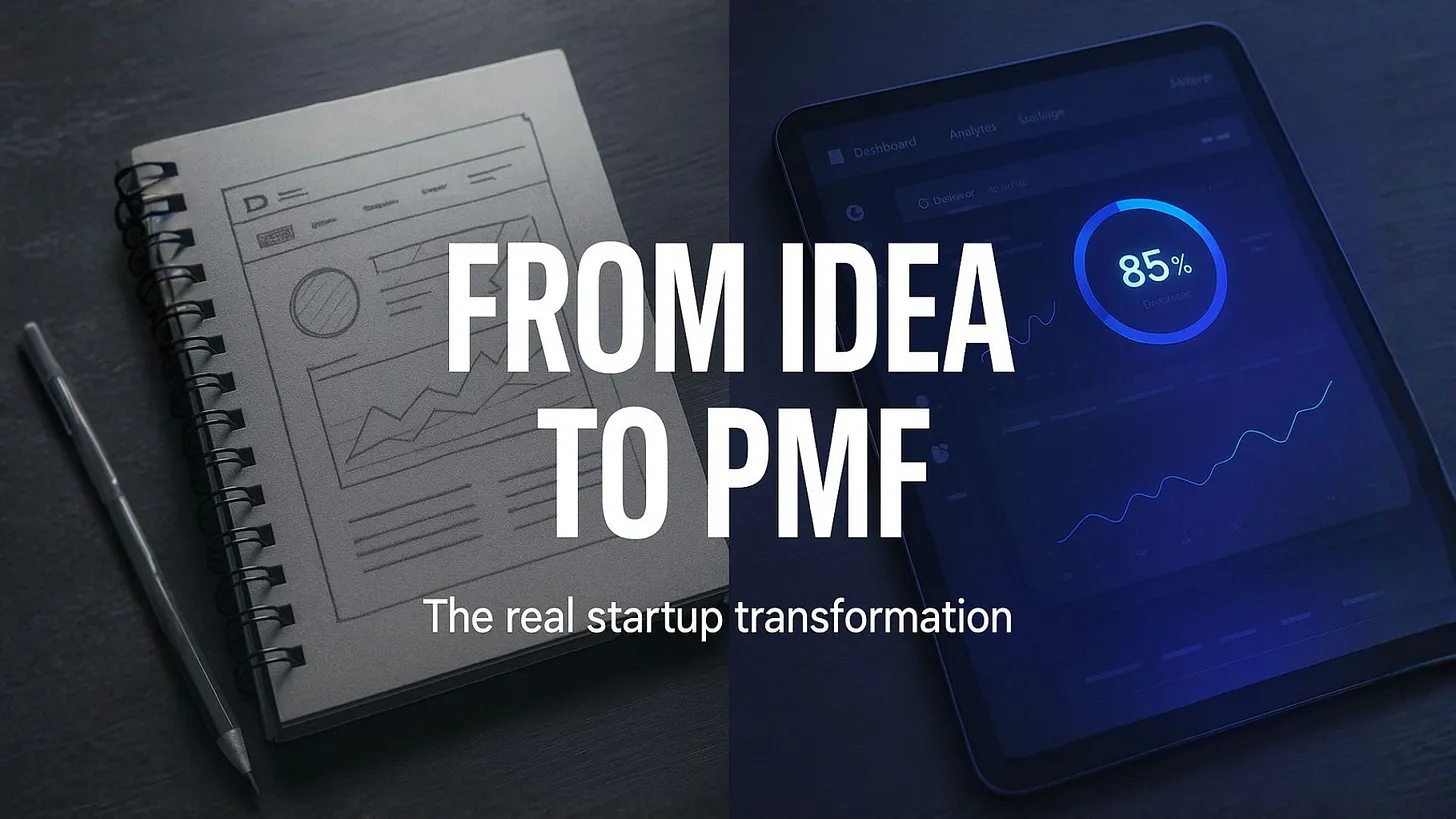
From Idea to Product-Market Fit: 8 Key Questions Startups Should Ask
A common adage in the startup world is that the product you launch rarely ends up being the one you scale. New ventures often evolve—sometimes dramatically—as founders learn what customers truly need. This evolution is part of the journey to product-market fit (PMF): that coveted alignment where your offering resonates so deeply that users can’t imagine life without it. Below, we’ll walk through 8 questions to ask yourself when crafting (and constantly refining) your startup idea, ensuring it’s both viable and scalable.
1. Are You (and Your Team) the Right Fit for This Field?
• Expertise & Experience: Do you have specific domain knowledge or technical chops that give your team an edge? If you’re building in AI, is someone on your team well-versed in machine learning? If you’re tackling healthcare, do you deeply understand compliance, patient workflows, or hospital procurement?
• Signal to Investors & Partners: The right founding team not only builds trust with potential customers but also reassures VCs that you’re equipped to tackle tough industry challenges.
Why It Matters
A big part of PMF is your ability to iterate quickly and empathize with user pain. If you’re immersed in the space—either as a user or subject-matter expert—you’ll spot issues faster and pivot more accurately.
2. How Big Is the Potential Market?
• Market Size: VCs often look for markets capable of sustaining multibillion-dollar outcomes. Roughly, you’ll want a total addressable market (TAM) north of a few billion dollars if you’re aiming for VC backing.
• Growing or Mature?: If the market is rapidly expanding (think AI in 2025, or climate tech), you might surf a wave of rising demand that accelerates growth.
Why It Matters
An otherwise incredible product that only a tiny sliver of people need may not satisfy venture-backed returns. Understanding the difference between a niche, profitable business, and a market big enough for exponential scale helps set the right trajectory early on.
3. Is There Competition—And Why That’s Good
• Yes, Competition Exists: Don’t fear it. If you see zero competitors, that often implies zero market demand or a sign you haven’t searched thoroughly enough.
• Uniqueness: The key is how you differentiate. Are you cheaper, faster, or more specialized? Do you solve an overlooked sub-problem?
Why It Matters
A robust competitive environment signals real customer needs. The question is how your offering stands out—through specialized features, brand, distribution, or domain knowledge. This differentiation can morph as you pivot during early PMF hunting.
4. Do You Genuinely Care About the Problem? Would You Use (or Buy) It?
• Founder Passion: Are you excited enough to keep pushing through inevitable setbacks? High founder passion can be a competitive edge, fueling resilience.
• First Test: If you wouldn’t adopt or pay for your own product, it’s a red flag. That often signals a made-up or shallowly validated concept.
Why It Matters
Building a startup is demanding; if you lack genuine passion, you’ll struggle to push forward when times get tough. Passion also translates into authenticity when pitching to customers and investors.
5. Has Technology Evolved to Enable Something New?
• Tech Shift: Think AI, blockchain, faster broadband, or cheaper sensors—any major leap enabling new user experiences or cost advantages.
• Implementation Advantage: Being early to leverage these changes can position your startup as an innovator in an otherwise old-school market.
Why It Matters
Sometimes, an old problem becomes newly solvable. For instance, sub-5G latencies might unlock real-time streaming or advanced VR. Recognizing these shifts can open windows for market entry that incumbents have yet to seize.
6. Are You Entering at the Right Time, Exploiting Adjacent Markets?
• Similar Products, Different Needs: Instead of direct competition, you may see a related product that serves a different primary need. For example, an e-learning platform focusing on micro-certifications while giants handle broad online degrees.
• Look for Overlooked Niches: Latching onto an “adjacent” user base can reveal unaddressed segments. For instance, specialized remote collaboration for laboratory scientists vs. generic video conferencing.
Why It Matters
If a large player covers 80% of the mainstream, that leaves an entire set of specialized users or use-cases underserved. Identifying “adjacent markets” can lead to strong footholds and a quick path to PMF before possibly expanding outward.
7. Is It Scalable?
• Growth Mechanics: How do you foresee scaling distribution? Are you reliant on direct sales or viral user-driven loops?
• Infrastructure: If the solution involves substantial manual labor or a single point of failure (like founders personally doing all tasks), it might not scale well.
• VC-Compatibility: Venture-backed startups typically target massive expansion in 5–7 years. If your idea is naturally limited or linear in growth, it may not be a fit for that model (though it could still be a fine business).
Why It Matters
Even if you address a real problem and find paying customers, the inability to grow beyond a certain point could deter top-tier investors. Scalability is vital in markets where the fastest mover often claims winner-take-all economics.
8. Accept That Constant Evolution (Pivot) Is Normal
• Iterate Quickly: Early on, your idea will morph repeatedly as you discover what resonates with real users. Embrace these pivots rather than clinging to the original vision.
• Prototype & Test: Release minimum viable products (MVPs), gather feedback, refine. Each iteration sharpens your path to PMF.
• Example: Twitter started as a side project of a failing podcast platform (Odeo). Airbnb was initially just renting out airbeds during design conferences. Today, these are giants—precisely because they pivoted quickly and intentionally.
Why It Matters
Adaptability is your greatest strength in the quest for product-market fit. Many legendary startups found their “big idea” hidden within early user feedback or unexpected user behavior.
Conclusion
When shaping your startup idea, it’s not just about having a cool concept; it’s about tackling a real problem, in a large enough market, with the right conditions for scale and a deeply committed team.
The guiding questions above can help you spot red flags early and refine your path faster. Recognize that even the most promising concept will likely evolve—that’s part of discovering PMF.
Ultimately, the core question is whether your startup is venture-scalable and can become a must-have solution in a fast-moving market. If you can confidently say “yes” to these eight queries, you’re off to a strong start.
The content of this blog is sourced and adapted based on previously published material from the The VC Edge
How Digital Nomads Are Redefining Work— What Entrepreneurs Can Learn
1. Digital Nomads Prove Flexibility Beats Rigid Structure
Digital nomads excel at adaptation—navigating unreliable internet connections, managing multiple time zones, and adjusting expectations while constantly relocating. This adaptability translates directly to business success.
Markets shift overnight, customers change direction, and technology disrupts entire industries without warning. Entrepreneurs who build flexible business models—ones that accommodate sudden changes—outperform those clinging to rigid structures.
Some digital nomads create "asynchronous" businesses designed to function without real-time interaction. Entrepreneurs can adopt this approach by eliminating bottlenecks, empowering teams to make independent decisions, and prioritizing outcomes over the number of hours worked.
Consider Buffer, the social media management platform. CEO Joel Gascoigne founded the company with a distributed team from the outset, creating systems that function seamlessly regardless of location or time zone. This flexibility allowed Buffer to maintain operations during global disruptions while competitors struggled with traditional office-based models.
Apply this: Start by identifying your business's single points of failure. Establish backup systems and cross-train team members to ensure operations continue uninterrupted, regardless of circumstances.
2. Digital Nomads Demonstrate Global Thinking Creates Competitive Advantage
When digital nomads live and work in different countries, they observe how people approach problems in varying ways.
The geographic diversity of digital nomads supports this global perspective. According to Everki research, while the United States leads with 44-47% of the worldwide nomad population, significant communities exist in the United Kingdom (7%), Russia (5%), Canada and Germany (4% each), France (3%), and Australia, Brazil, and the Netherlands (2% each).
For entrepreneurs, developing a global mindset isn’t optional—it’s essential for growth. Companies that tap into international talent pools and develop products for diverse markets often achieve stronger results than those that stay local.
You don’t need a passport to think like a digital nomad. Entrepreneurs can expand their perspective by actively recruiting from diverse regions during the hiring process, learning about cultural differences that impact business, and engaging regularly with customers across various markets. Many successful founders now participate in global coworking networks or short-term international programs to meet entrepreneurs from other countries and identify emerging trends before they reach their home markets.
Apply this: Join online communities where international entrepreneurs congregate. Schedule quarterly calls with customers or partners in different time zones to better understand regional market differences.
3. Digital Nomads Master Asynchronous Communication for Efficiency
Technology enables the digital nomad lifestyle. The most successful nomads have figured out how to stay connected with teams and clients across different time zones. They rely on tools like Slack for quick updates, Notion for project tracking, and Loom for video explanations that team members can watch at their convenience. Some are even experimenting with AI coaching platforms like Coachvox AI to provide consistent mentorship and guidance regardless of location—allowing nomads to access business coaching without scheduling conflicts across time zones.
Many entrepreneurs measure productivity by office hours or the frequency of meetings. Still, digital nomads have proven that asynchronous workflows—where people contribute on their schedules—are more efficient than traditional approaches.
Building technology systems that support asynchronous work allows founders and employees to focus on deep work, reduce burnout, and achieve better results. This requires clear expectations, thorough documentation, and measuring success by deliverables rather than desk time.
Apply this: Replace one weekly meeting with an asynchronous update system. Use video messages or shared documents where team members contribute on their schedule.
4. Digital Nomads Cultivate Self-Reliance That Drives Performance
Working without direct supervision requires a high level of discipline. Digital nomads develop strong self-reliance, learning to troubleshoot independently, maintain motivation without oversight, and create structure in unstructured environments.
Entrepreneurs can apply this lesson by hiring self-starters—people who thrive on autonomy rather than direction. Founders should model this behavior by managing their time effectively, setting clear goals, and holding themselves accountable for results.
Design roles and performance reviews around outcomes rather than tasks. When everyone operates like a self-directed digital nomad, productivity and morale improve dramatically.
Apply this: Create outcome-based job descriptions for your next hire. Define success by results achieved rather than tasks completed or hours logged.
5. Digital Nomads Embrace Work-Life Integration Over Balance
Rather than focusing on work-life balance, digital nomads opt for work-life integration. They choose inspiring environments and blend personal passions with professional goals—whether working in the mornings and surfing in the afternoons in Bali or taking calls from mountain lodges.
Entrepreneurs can create company cultures that support employees as complete people. This might include flexible hours, travel encouragement, or subsidizing coworking and wellness memberships.
Forward-thinking businesses study nomad-friendly properties and brands, such as Citizen M, Outsite in Portugal, and Zoku in Amsterdam. These destinations combine productivity with inspiration, demonstrating how the environment affects outcomes.
Offer a quarterly "workation" stipend that allows employees to work from inspiring locations. Even local coworking spaces or cafes can boost creativity and satisfaction.
Digital Nomads Point to the Future of Business
The rise of digital nomads previews the future of work: flexible, global, technology-enabled, and self-directed. The movement's growth trajectory—with American digital nomads increasing by 147% from 2019 to 2025, according to MBO Partners—signals this isn't a temporary trend but a fundamental shift in how business operates.
Entrepreneurs adopting the mindset and habits of digital nomads will better navigate change, build stronger teams, and lead more innovative businesses. You don't need to sell your house and buy a one-way ticket to benefit from digital nomad strategies. Start by incorporating one nomadic principle this quarter—implementing asynchronous workflows, hiring globally, or rethinking team work-life integration. As more professionals choose location independence, entrepreneurs who adapt to the working style pioneered by digital nomads won't just survive—they'll lead the transformation of business itself.
-The content of this blog is sourced and adapted based on previously published material from the Sarah Hernholm